
Cook County Neighbor Record Map
Cook County neighbor research works best as a small-radius search. Map the subject parcel and the lots that touch it, then choose a record based on the question. CookViewer supplies geometry and PINs. Assessor and tax records describe parcels. Clerk recordings identify parties to indexed documents. Illinois voter access verifies a submitted match rather than releasing a street roster. Historical directories and public civic pages add time and community context.
| Block source | Evidence around an address | Public route |
|---|---|---|
| CookViewer parcels | Adjacent geometry, PINs, structures, municipalities, ZIPs, zoning, schools, transit, and facilities | Free map clicks and multiple selection |
| Assessor and property portal | Parcel class, values, mailing contact, legal description, tax and document clues | Free by address or PIN |
| Clerk recordings | Parties in deeds, trusts, liens, and other filings for each PIN | Free index from 1985; images separate |
| Illinois voter match | Whether supplied personal and address facts match a registration | Required fields; no block download |
| Permits and code records | Address-specific permits, inspections, notices, hearings, and outcomes | Chicago portal; municipal routes vary |
| Historical criss-cross volumes | Dated address-to-name entries for selected years | CPL, Newberry, and CHM |
A parcel record is not present-occupancy proof. The Assessor's Property Location field is informational, the tax mailing address may point elsewhere, and a recorded party reflects a document event. Keep those labels intact. A useful block inventory records parcel position, PIN, municipality, source, date checked, and the exact kind of name shown.
Map Cook County Neighbor Parcels
The CookViewer parcel map is the visual starting point. Search one address or PIN, zoom to its polygon, and click the parcels that share a line or corner with it. Multiple selection helps on dense blocks and condo stacks. Save the result date because parcel geometry and municipal layers can change. A map report is useful as a snapshot, but it is not a certified owner list.
- Locate the known address, select its parcel, and copy the PIN.
- Click each touching parcel and save its PIN and map position.
- Open each PIN in the Assessor and property-information portals.
- Search the PIN in Clerk Recordings when a recorded party matters.
- Label each finding as map, tax, deed, permit, voter match, or historical evidence.
Layers can explain whether the next parcel sits in another municipality, ZIP, township, school area, or zoning district. They do not add names. For a whole road rather than the immediate block, use the Cook County street directory workflow.
Confirm Cook County Recorded Neighbors
Repeat the PIN search for each parcel instead of searching one surname across the block. The Clerk's recordings index can show a grantor, grantee, document type, execution and recording dates, consideration, document number, and legal description. Its address field is informational. PIN and legal description are the safer link when one building has units or parcel lines have changed.
The ordinary Assessor form does not provide a current owner-name search. Its card describes property and warns that Property Location is not a legal or postal mailing address. The property portal may show a parcel mailing address and recent document summaries. Those are leads, while the Clerk remains the custodian of recorded ownership documents.
Keep roles straight. A parcel next door, a recorded party, a taxpayer contact, and a person now present are four different claims.
Cook County Blocks Are Not Rosters
The Illinois registration lookup checks a submitted name, birth date, ZIP, street number, and selected street name. It cannot accept a block and return all registered voters. Suburban Cook election information comes through the Cook County Clerk, while Chicago election administration has a separate local channel.
Illinois election law restricts centralized voter data, redacts sensitive identifiers and protected residence details, and bars business use. A valid match confirms the facts supplied to the form. It does not disclose ballot choices or prove every person at an address appears in the result. Use it only when identity and address facts are already known for a lawful reason.
Cook County Civic Neighbor Contacts
No official countywide directory of neighborhood-association members or block clubs was found. The safe community layer is organizational: a public boundary, official page, service area, meeting channel, public contact, and a note on whether any directory is open. Start with a municipality's community page, then confirm details on the group's own page.
Chicago sources
Use official community and ward geography plus public meeting or civic contacts. Never infer membership from an address.
Suburban sources
Check municipal pages for park districts, chambers, civic councils, and neighborhood groups serving the parcel.
Historical sources
CPL, CHM, and Newberry may preserve newsletters, parish items, veterans records, and civic collections.
The CPL Chicago City-Wide Collection spans records dated 1807 to 2021 and includes residence, cemetery, land, and street series.
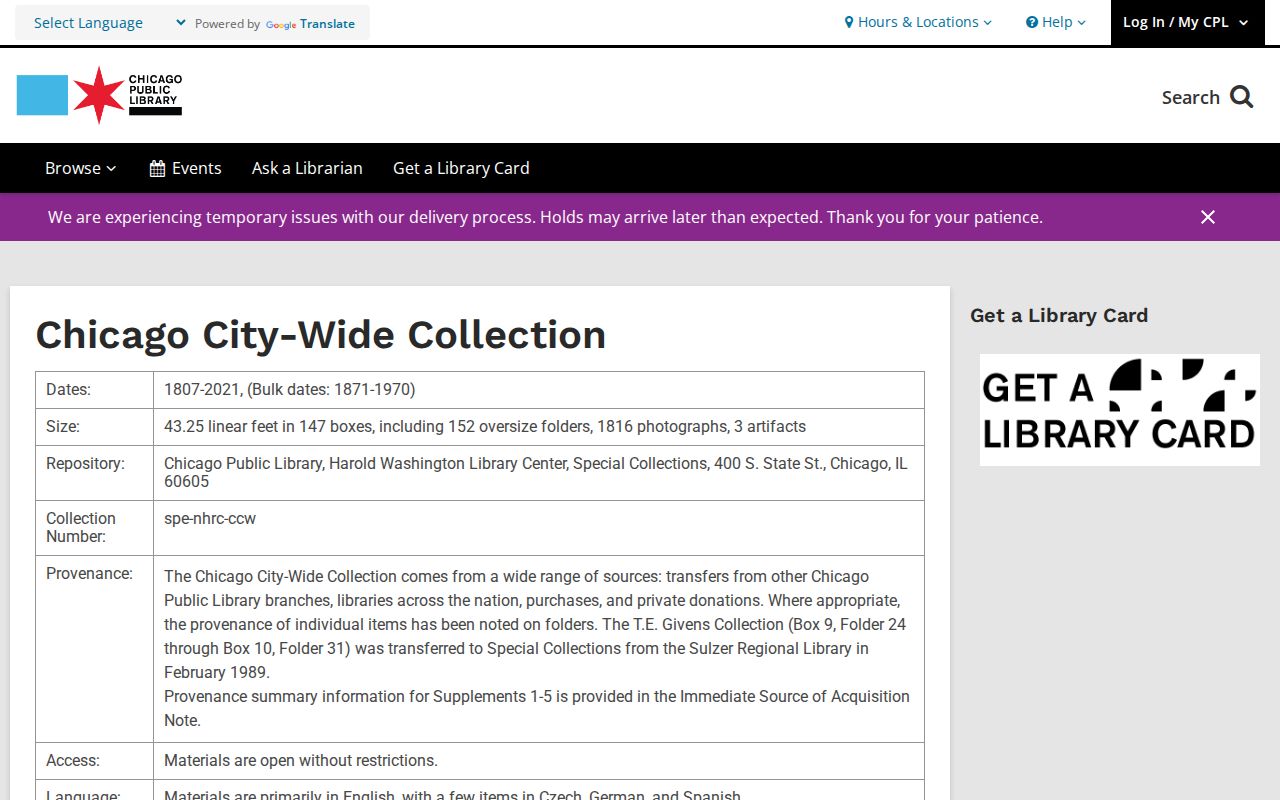
Its finding aid supplies historic block context without turning an archival name into a current-neighbor claim.
Cook County Neighbor History Sources
Public institutions add context when an address-first record says little. Chicago's employee directory is a role-based public contact source, not a resident list. County archives and library collections can connect a place to dated civic or administrative records. Each source answers a narrow question.
The Chicago employee directory searches public work contacts by name, department, and title.
A staff role may help reach a department, but it does not establish where the employee lives.
The Cook County Archives reference page explains its remote research channel.
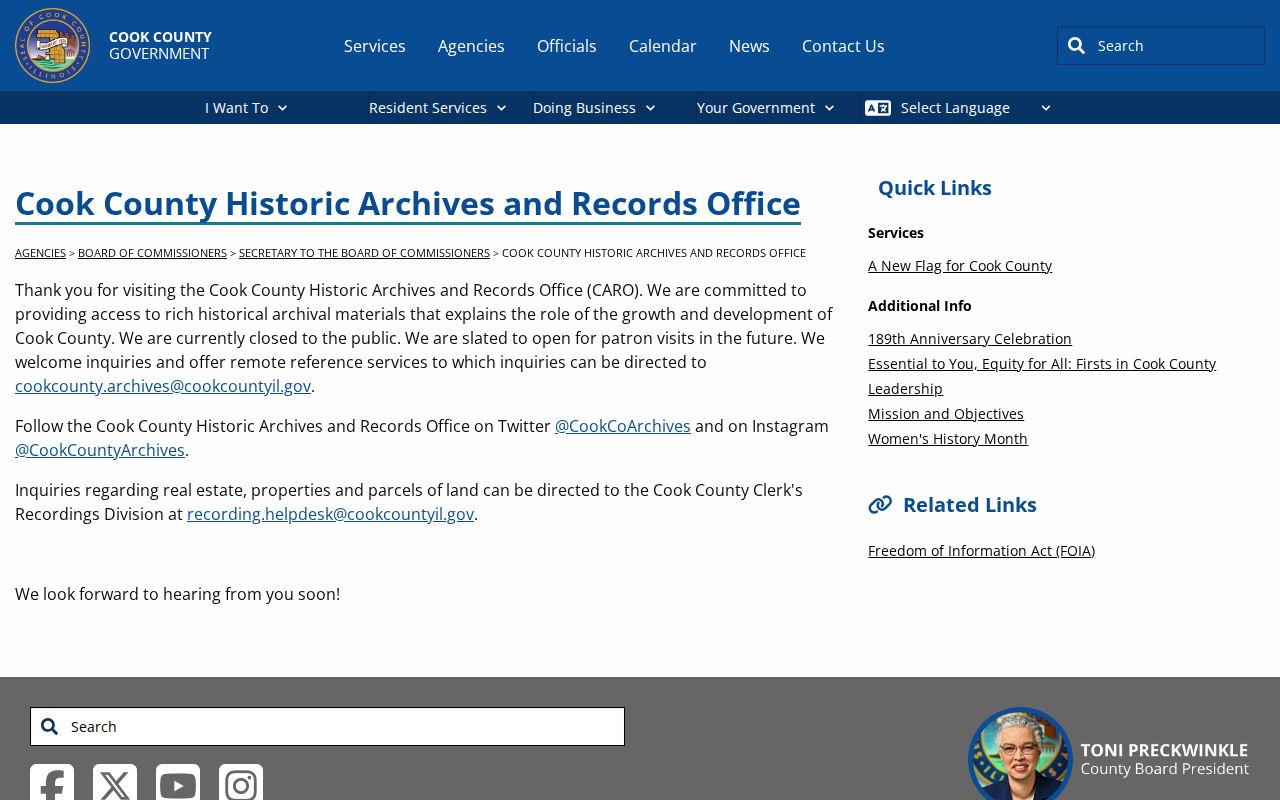
Retain the series, date, box, and custodian so a historical block claim can be checked.
Cook County Cemetery Neighbor Records
Cemeteries are part of Cook County's civic geography and may preserve a local name trail when an obituary points to a burial place. They do not identify people now living near the site. Confirm a death through the Clerk, state vital records, State Archives, or a cited obituary.
The Cook County virtual cemetery presents the county's historical cemetery work.
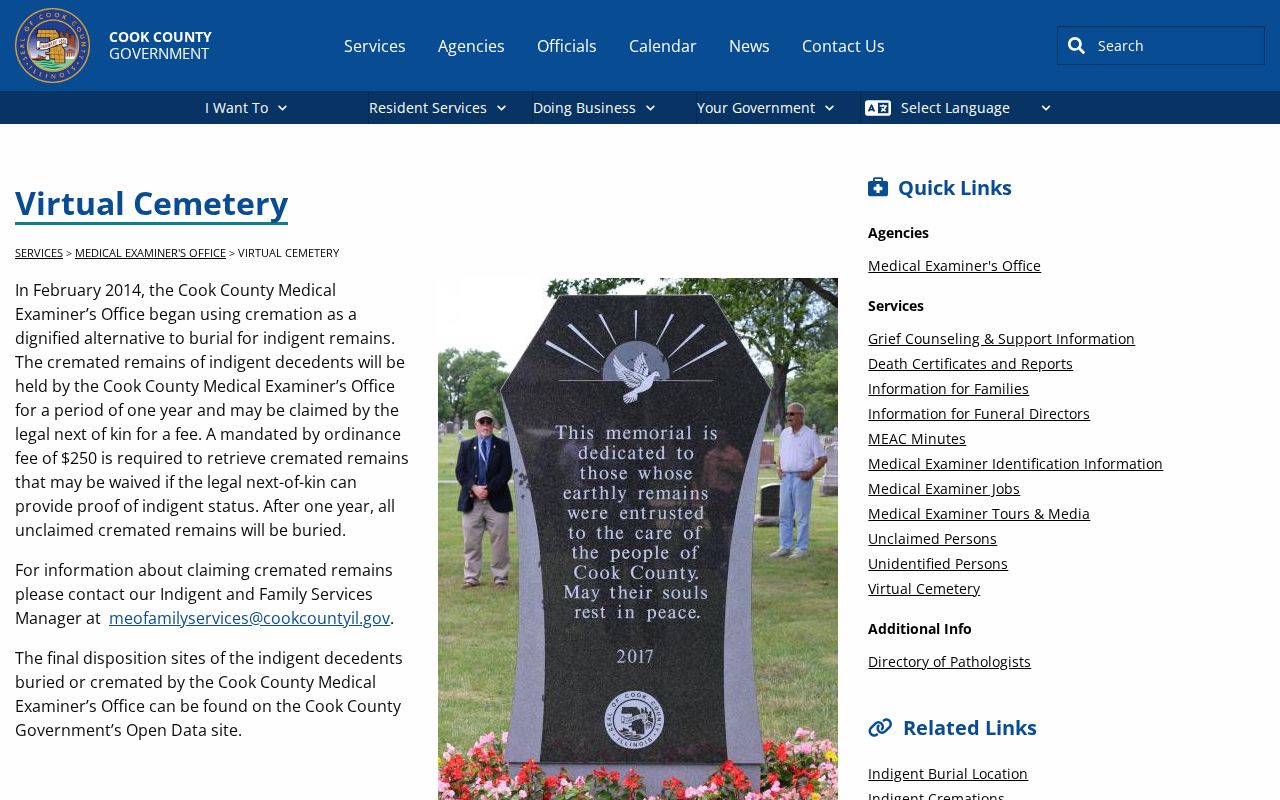
That history layer explains a place without suggesting a private household roster.
The Cook County cemetery locations page supplies an official route to cemetery geography.
Pair location evidence with a dated burial or vital record before linking a person to the community.
Official Cook County Neighbor Evidence
Commercial neighbor tools may merge parcel files, old directories, purchased data, and inferred links. Their convenience may hide dates and custodians. Official sources are narrower but show the field, office, and access limit.
| Method | Strength | Limit |
|---|---|---|
| Official parcel and document sources | Named custodian, defined fields, PIN checks | No complete occupant list |
| Public civic pages | Current contact and service boundary | Private rosters stay private |
| Commercial category | May combine clues quickly | Dates and identity matches may be unclear |
Store the official record URL or document number and the date checked. If sources conflict, return to the custodian and exact field instead of choosing the most convenient name.
Privacy Around Cook County Neighbors
Public block records leave key facts private or uncertain. They omit a full list of non-owner occupants, unlisted household members, utility customers, mail details, DMV addresses, protected voters, sealed cases, and private association rosters. Illinois' Address Confidentiality Program gives eligible survivors a substitute address and mail forwarding for new records, though it cannot erase a property record already public.
The Cook County administrative hearings information shows public contact and service routes for county matters.
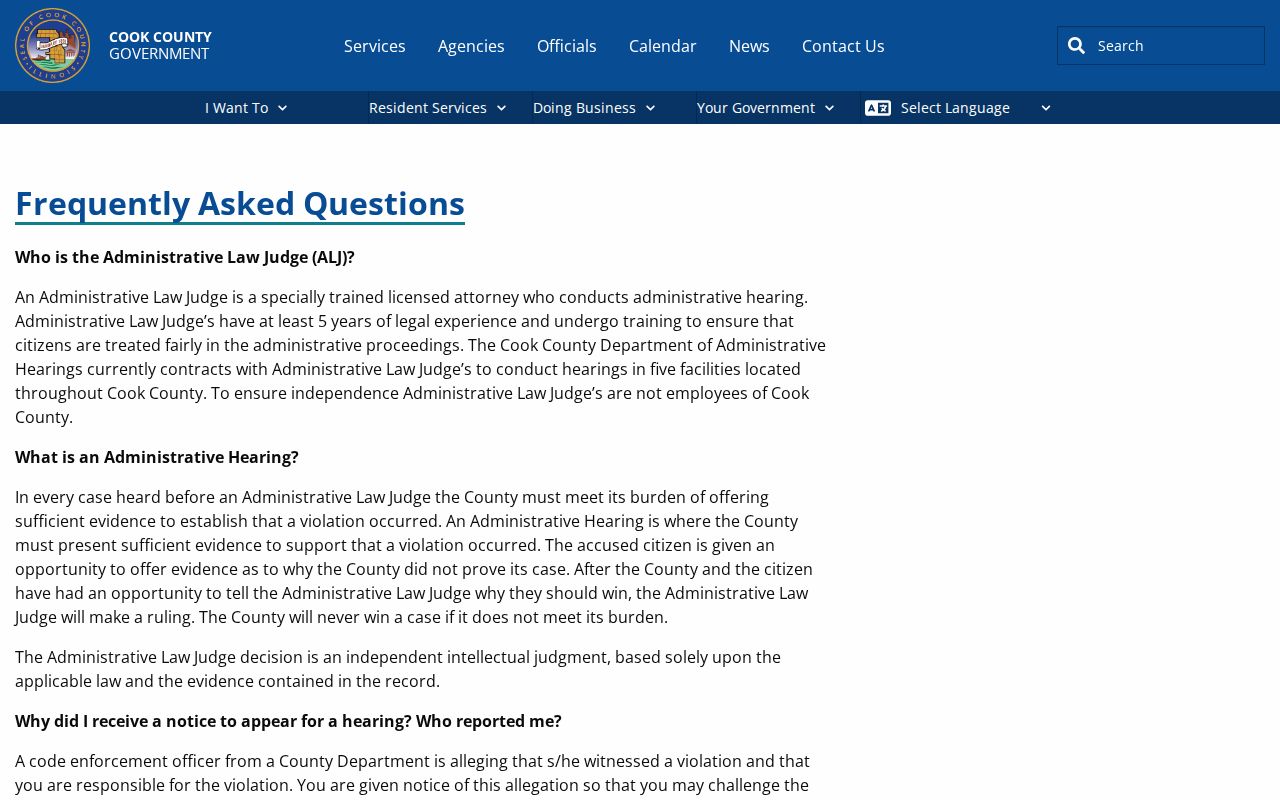
Use an agency page to reach the custodian, not to infer facts beyond the public record.
Lawful use. Use Cook County neighbor records for civic curiosity, reconnecting, history, or personal safety awareness. Never use them to watch, threaten, harass, or intimidate anyone.